Telehealth Therapy vs. In-Person: Which Is Right for You?
Once you've decided to start therapy, there's another choice to make: should you meet your therapist online or in an office? A few years ago, in-person sessions were the default for most people. Today, virtual care has become a common and well-established way to get support, and many people now choose it first.
Both options can be effective. The right choice depends less on which format is "better" and more on your needs, your schedule, your comfort level, and what will help you show up consistently.
In this guide, we'll compare telehealth therapy and in-person sessions side by side, walk through the benefits and limits of each, and share a few questions to help you decide what fits your life best.
What Each Option Looks Like
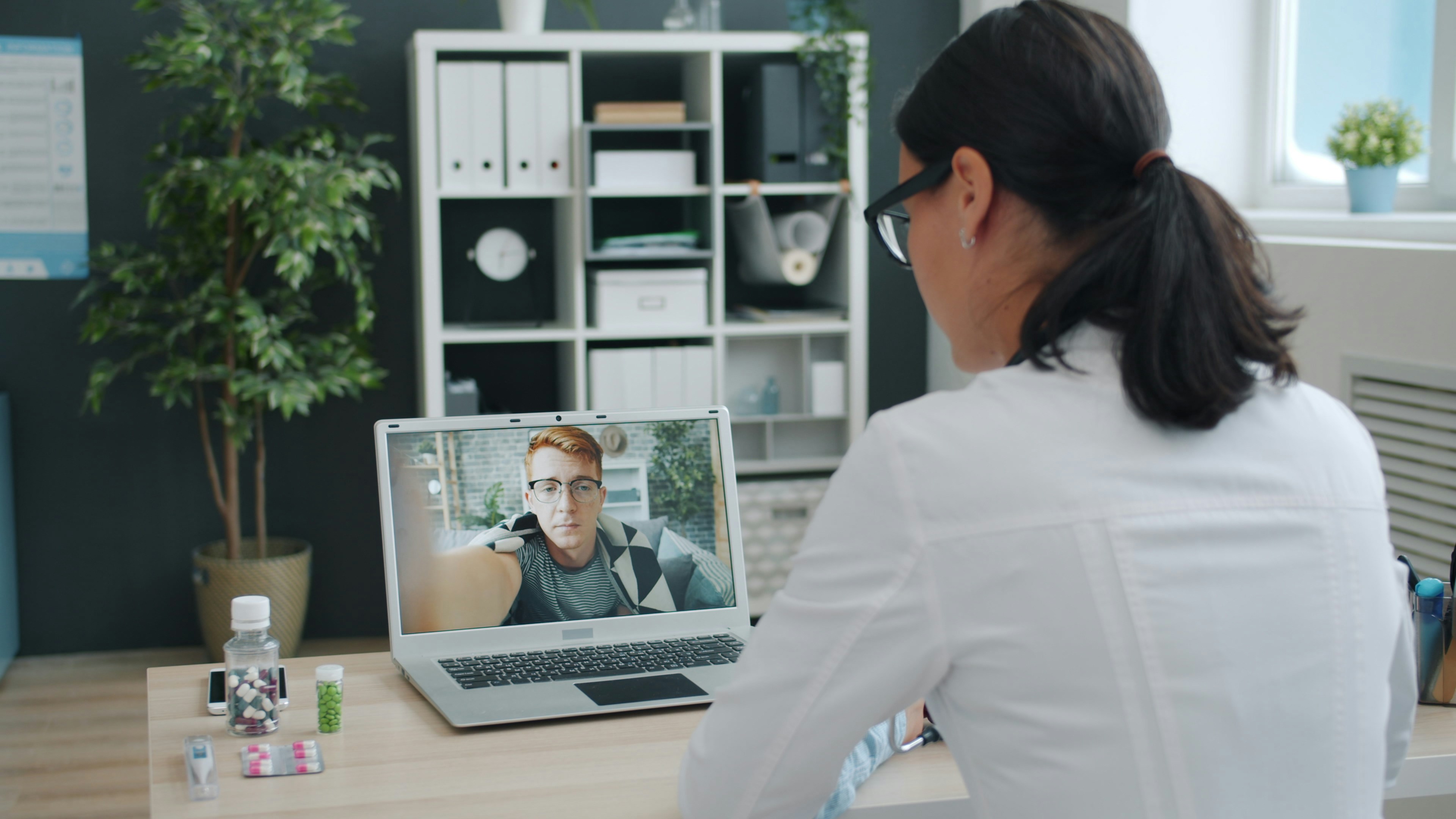
Online sessions take place over a secure, privacy-compliant video platform. You meet with a licensed therapist in real time, face to face on screen, from your home, office, or any private space. Sessions typically last around 50 minutes, just like traditional appointments.
In-person sessions take place in a therapist's office. You travel to the appointment, check in, and meet with your therapist in a dedicated, private room.
In both formats, you're working with a trained, licensed professional using the same evidence-based approaches, such as cognitive behavioral therapy, emotionally focused therapy, or mindfulness-based techniques. The core of the work stays the same. What changes is the setting.
Benefits of Meeting Online
Research over the past decade has found that video-based therapy is effective for many common concerns, including anxiety, depression, stress, and relationship challenges, with outcomes often comparable to in-person care. Beyond effectiveness, telehealth therapy offers several practical advantages:
Convenience: no commute, no parking, and no rushing back to work afterward
More choice: you can work with a therapist anywhere in your state who fits your needs, not just the nearest office
Comfort: many people find it easier to open up from a familiar, relaxed environment
Consistency: it's easier to keep regular appointments, which is one of the biggest drivers of progress
Accessibility: helpful for people with mobility challenges, chronic illness, caregiving duties, or limited transportation
Flexibility for couples: partners can join from home together, or from separate locations when schedules don't align
Benefits of Meeting in Person
In-person sessions still have real strengths, and for some people they're the better fit:
A dedicated space: leaving home can create a clear mental boundary between therapy and daily life
Fewer distractions: no notifications, household noise, or interruptions from family or pets
Full nonverbal communication: therapists can observe posture, gestures, and subtle cues more easily
No technology barriers: helpful if you're uncomfortable with video calls or lack a reliable connection
Built-in privacy: useful if you don't have a quiet, private place at home to talk openly
Questions to Help You Decide
If you're still unsure, these questions can help clarify which format suits you best:
Do I have a private, quiet space at home? If you can talk openly without being overheard, online sessions are a strong option.
How busy is my schedule? If commuting would make it hard to attend regularly, virtual sessions may help you stay consistent.
Where do I feel most comfortable opening up? Some people relax more at home, while others prefer a neutral setting away from daily life.
Is there a therapist nearby who fits my needs? If the right specialist isn't within driving distance, going online widens your options.
How comfortable am I with technology? Video calls are simple for most people, but if they cause stress, in-person may feel easier.
What am I working on? Most common concerns respond well to either format. If you're in crisis or need a higher level of care, your therapist can help you decide what's most appropriate.
There's no wrong answer. The best format is the one that helps you show up, feel safe, and stay engaged in the process.
How to Make Online Sessions Work Well
If you choose to meet virtually, a little preparation goes a long way:
Find a private spot: a bedroom, home office, or even a parked car can work
Use headphones: they improve sound quality and add privacy
Test your setup: check your camera, microphone, and internet before your first session
Minimize distractions: silence notifications and let others know you need uninterrupted time
Give yourself transition time: a few minutes before and after can help you shift in and out of the session
A Note on Licensing in California
Whether you meet online or in person, your therapist must be licensed in the state where you're located during the session. For California residents, that means working with a therapist licensed in California, such as an LMFT, LCSW, LPCC, or licensed psychologist. If you're planning to travel out of state, let your therapist know ahead of time.
Why Many Californians Choose Virtual Care
At Blossom Wellness Counseling, we're a fully virtual practice serving adults and couples across California. We chose telehealth therapy because it makes high-quality care easier to access, no matter where you live in the state or how full your schedule is. We take time to match you with a licensed therapist who fits your needs, so you can get the support you deserve from the comfort of home.
Choose the Support That Fits Your Life
The most important step isn't choosing the perfect format. It's choosing to start. Whether you connect from your living room or a therapist's office, what matters most is finding a licensed professional you trust and a routine you can stick with.
Book your free 15-minute consultation now.


