How to Build Emotional Regulation Skills in Early Recovery
Early recovery is often described as a reset, but that's not entirely accurate. It's more like learning how to function without a system that previously managed stress, emotions, and discomfort for you.
When substances are no longer available as a coping mechanism, emotions that were once numbed or avoided can feel more intense. Stress, anxiety, frustration, loneliness, and other difficult feelings may become harder to manage.
This is where emotional regulation becomes a core recovery skill, not an optional one.
What is Emotional Regulation?
Emotional regulation refers to the ability to manage emotions in a healthy and flexible way. It doesn't mean suppressing feelings or pretending everything is fine. Instead, it involves noticing emotions, understanding their purpose, and responding thoughtfully rather than impulsively.
In recovery, emotional regulation helps create space between what a person feels and how they respond, making it easier to navigate challenges without automatically turning to old coping patterns.
Why Emotions Can Feel More Intense in Recovery
During recovery, the brain and nervous system need time to adjust to functioning without substances. This adjustment period can make emotions feel more intense and difficult to manage.
Individuals may experience:
Anxiety that feels constant
Irritability over small triggers
Emotional sensitivity
Sudden mood shifts
Strong cravings
Difficulty coping with stress or emotion
These experiences are common and do not necessarily indicate that recovery is failing. In many cases, they are part of the brain's healing process.
Building Emotional Regulation Skills
Learning to regulate emotions can feel challenging, especially in early recovery. The good news is that emotional regulation is a skill that can be developed over time, starting with a few simple but important practices.
1. Start by Identifying Emotions
One of the first steps in emotional regulation is learning to accurately identify what you're feeling. Many people use broad terms such as “stressed” or “upset.” While these descriptions can be helpful, they often don't capture the full picture.
For example, instead of “I'm stressed.” It might be:
“I'm anxious about the future.”
“I'm overwhelmed by responsibilities.”
“I'm disappointed.”
“I'm feeling lonely.”
The more specific a person can be about their emotions, the easier it becomes to respond effectively.
2. Learn to Pause Before Reacting
In early recovery, emotions often trigger immediate urges: use, escape, shut down, or react.
One of the most important regulation skills is creating a gap between feeling and action. A simple internal pause can look like:
What am I feeling right now?
What triggered this feeling?
What do I need at this moment?
Will my next action help or hurt my recovery?
Even a brief pause can make a significant difference.
3. Recognize Your Trigger Patterns
Triggers are not just external situations. They can be:
Emotional states (loneliness, shame, boredom)
Social environments
Internal thoughts (“I can’t handle this”)
Physical states (fatigue, hunger, tension)
In early recovery, understanding trigger patterns is often more useful than trying to avoid every trigger entirely. A useful question to ask is “What usually comes right before I feel like I might lose control?”
4. Regulate the Body First, Not the Thoughts
A common misconception is that emotional regulation is purely cognitive. In reality, the body often leads to an emotional state. Basic grounding tools include:
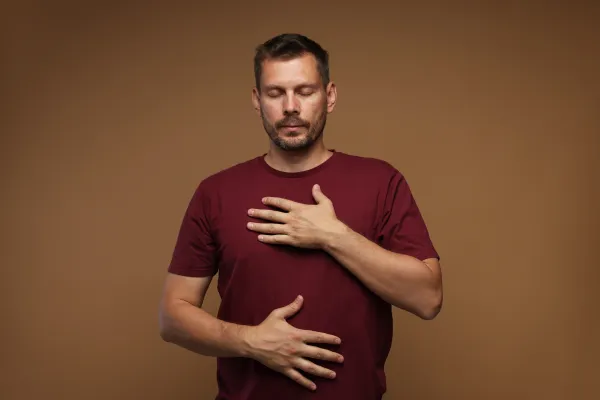
Deep breathing – Slow, controlled breathing to calm the nervous system and reduce emotional intensity.
Physical activity – Walking, stretching, or exercise to release stress and support emotional regulation.
Grounding techniques – Exercises that help bring attention back to the present moment.
Self-compassion – Responding to yourself with understanding and patience during difficult moments.
Healthy alternatives – Reaching out for support, attending a support group, or practicing mindfulness.
These techniques signal safety to the nervous system before logic becomes effective.
5. Develop Long-Term Coping Strategies
One common mistake is only using coping skills during moments of crisis. Emotional regulation works best when practiced consistently. Simple daily habits can strengthen emotional resilience over time:
Maintaining a regular sleep schedule
Eating balanced meals
Staying physically active
Practicing relaxation techniques
Checking in with emotions regularly
These habits help create a stronger foundation for managing future stress.
What Progress Actually Looks Like
Progress in emotional regulation is rarely dramatic. It does not mean never feeling triggered, never experiencing cravings, or always responding perfectly to difficult situations.
More often, progress looks like noticing emotions sooner, recovering more quickly after stressful moments, and creating enough space to choose a response instead of reacting automatically. It may involve reaching out for support rather than isolating, recognizing triggers before they escalate, or making healthier choices more consistently over time.
These changes can seem small at the moment, but they often reflect meaningful growth. In recovery, lasting progress is usually built through repeated small shifts rather than sudden transformation.
A Reality Check for Early Recovery
One of the hardest truths in recovery is you cannot remove emotional discomfort without also learning how to tolerate it. Substances previously reduced emotional intensity quickly. Without them, the nervous system has to learn slower, steadier regulation.
That learning process is uncomfortable, but it is also where long-term stability is built.
Recovery is not the absence of stress, discomfort, or difficult emotions. It is the gradual process of learning how to respond to those experiences in healthier and more sustainable ways. Over time, emotional regulation helps build the stability needed to navigate challenges without relying on substances.


